Sheng vs shou: the difference between raw and ripe pu-erh
Sheng and shou start as the same sun-dried leaf. The difference between them is time: shou is fermented in weeks by people, sheng over years by nature.
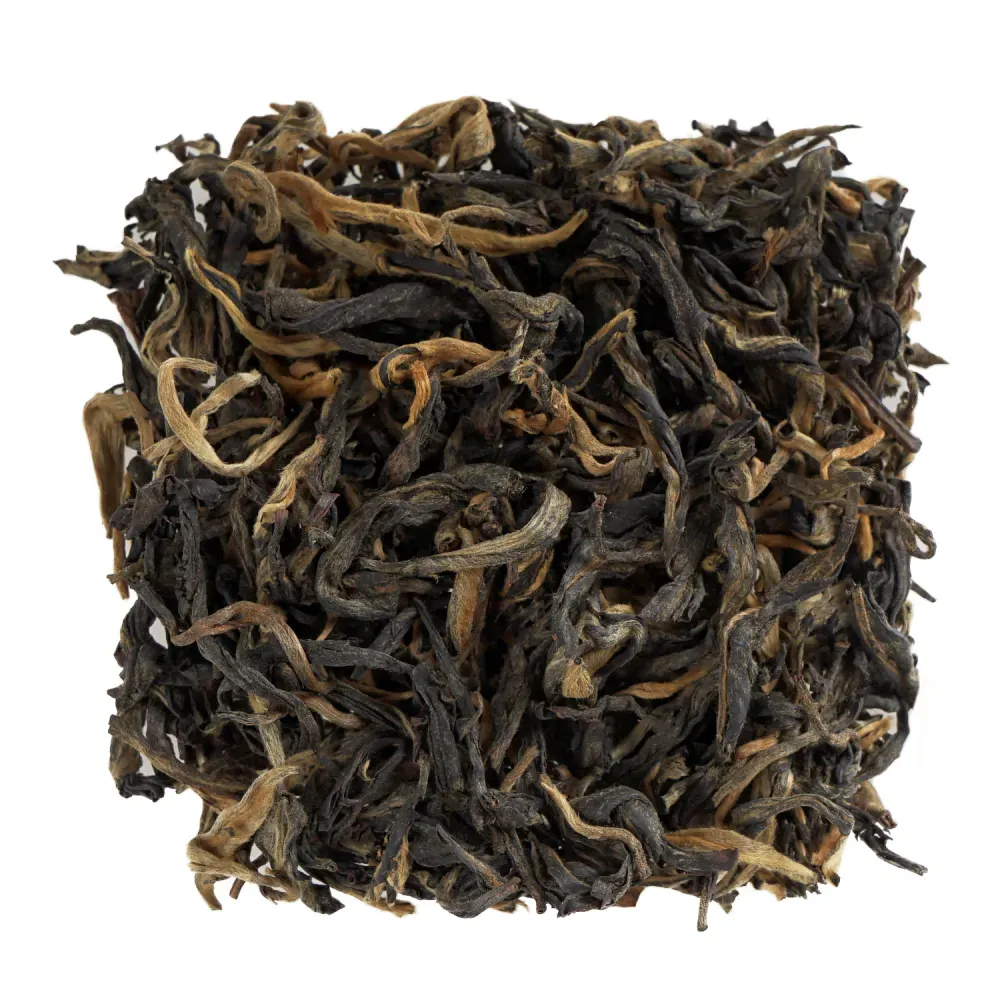
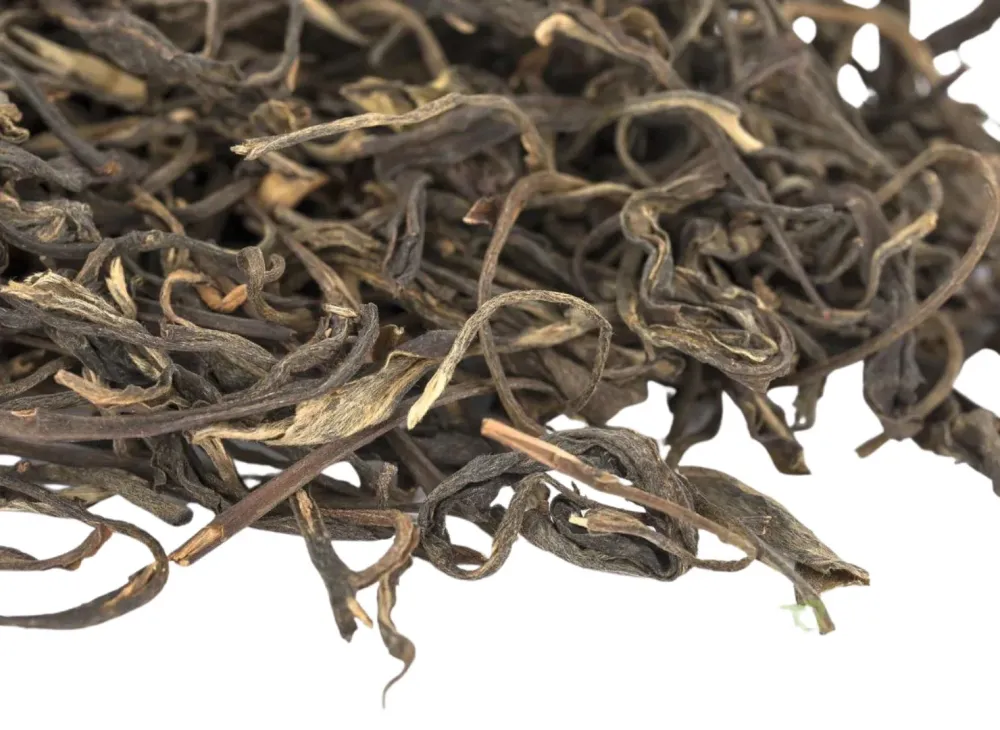
Raw pu-erh (sheng)
Sheng means raw. The sun-dried leaf is steamed and pressed, often into cakes, and then left alone. Over years, slow oxidation and microbes change it: the bright, green, bitter tea of the first years turns amber, then dark, rounder and sweeter. Young sheng is lively and demanding, with apricot stone, camphor and a bitterness that should turn into huigan, a returning sweetness.
Ripe pu-erh (shou)
Shou means ripe, or cooked. In the 1970s, tea factories in Yunnan developed wo dui, wet piling: the leaf is heaped, dampened and covered so that it ferments for several weeks, then dried. In a few months it reaches a depth that natural ageing takes decades to give. Shou is dark, smooth and earthy from the start, with dates and damp wood and no bitterness.
Sheng and shou at a glance
| Sheng (raw) | Shou (ripe) | |
|---|---|---|
| Process | Pressed and aged naturally | Wet-piled for weeks |
| Colour | Yellow-green to amber | Dark red to near black |
| Taste | Bright, bitter, then huigan | Smooth, earthy, sweet |
| Ageing | Changes for decades | Ready to drink, keeps mellowing |
| Water | 95°C, short steeps | 100°C |
Which one to start with
If you are new to pu-erh, start with shou: it is forgiving, smooth and warming, and hard to get wrong even with boiling water and long steeps. Come to sheng when you are curious about bitterness and how it turns sweet. Box I follows that order on purpose: ripe in session three, raw in session four, and raw again, stronger, in session seven.
Brewing tips for each
Rinse both first. Shou likes 100°C and can take longer steeps without turning harsh. Sheng likes slightly cooler water, around 95°C, and short steeps; if it is too bitter, shorten the time before you lower the temperature. Both give many infusions, so keep the leaf and brew it again.
Taste both in Box I
Box I puts both side by side, from the same Yunnan large-leaf plant: Shou Puer, ripe and aged over three years, in session three, and Sheng Puer, raw and two to three years old, in sessions four and seven.